
Therapy for athletes who are carrying more than they are putting down.
Some of what your athletes is dealing with looks like the sport. Most of it isn’t.
It’s the nerves that stopped turning off after practice. The sleep that has gone bad since the season started. The mood shift you noticed before they did. The injury that healed months ago and something that didn’t. The senior who cannot answer who they are if they are not competing in their sport.
What I Treat
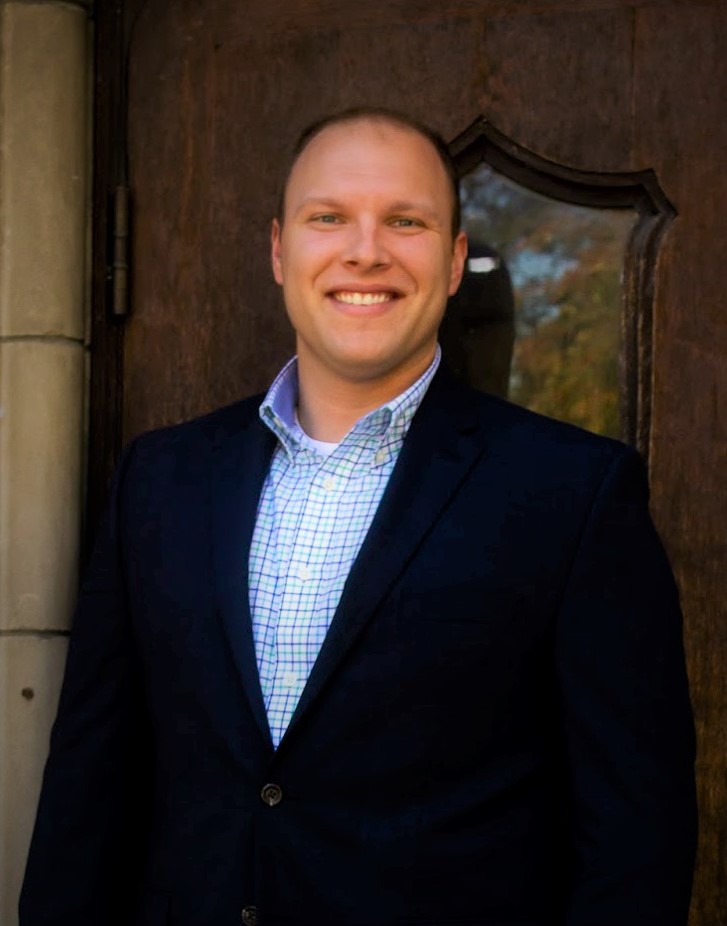
I’m a Licensed Professional Clinical Counselor with Supervision designation in Ohio. I diagnose and treat anxiety, depression, trauma, substance use, and identity and transition concerns. With athletes, these often show up as:
- Anxiety that spikes around evaluation, selection, or competition
- Sleep and appetite disruption through a season
- Loss of motivation that used to be automatic
- Identity built so tightly around sport that nothing else has room
- Adjustment after injury, being cut, benched, or aging out
- Depression that the schedule has been hiding
- Pressure from sport or school that stopped being motivating a while ago
- A sense that who they are has gotten tied to how they perform
You don’t need a diagnosis or a tidy explanation before reaching out. You just need to trust what you’re noticing.
Why the Background Matters
I played college baseball and then several seasons as a paid import in Québec’s LBMQ. I know what a long season of accumulated failure does to a person, and I know the difference between an athlete who is struggling and an athlete who is in trouble.
I also hold the Certified Mental Performance Consultant certification through the Association for Applied Sport Psychology. What that adds here is judgment. I can usually tell when a performance concern is also a mental health concern and when it isn’t. So we’re not treating something that isn’t there, and we’re not missing something that is.
The services on this page are clinical counseling, provided under my Ohio counseling license.
Who I See
High school student-athletes, college student-athletes, and adults. In person in Findlay, or by Telehealth anywhere in Ohio.
What You’ll Know, and What Stays Private
This is usually a parent’s first real question, so here’s a direct answer.
For minors, Ohio law and clinical ethics require a balance. Your teen needs enough privacy to be honest with me, or the work doesn’t succeed. You need to know they’re safe and that you’re not being shut out of anything critical.
I’ll walk you through exactly how I handle that on our first call: what I’ll always tell you regardless of what they say, what stays between us, and how we’ll track progress together. None of it should feel like a black box.
What It Costs
The fee is $150 for a 50-minute session. Shorter sessions are available when they fit clinically. I don’t bill insurance. Two reasons that’s deliberate, and both are in their interest:
First, no diagnosis gets submitted to or stored on an insurance record. For a young person, before college, licensure, background checks, or future insurance underwriting, that record can follow them in ways families rarely think about until later. Private pay keeps that a deliberate choice, not a default.
Second, care is based on what they actually need, not what a plan will reimburse or how many sessions it approves. Some need eight sessions, some need eight months. That should be a clinical decision between us, not one made by someone who’s never met them.
If cost is a genuine barrier, say so when we connect. I’d rather have an honest conversation about fit than waste your time.
Getting Started
The first step is a brief consultation, for you, for them, or both. We’ll talk through what you’re seeing, answer your questions, and figure out honestly whether I’m the right fit for your family.
What happens next:
- Schedule a 15-minute consultation.
- We talk through what you’re seeing and what’s concerning you.
- You decide, with full information, whether to move forward.
You don’t need to have this figured out before you reach out. That’s what the first call is for.